Walk through any Egyptian neighbourhood early in the morning and you will find a queue around a cart or a small shop. People are waiting for the Egyptian breakfast that powers the whole country: ful medames and ta'ameya, wrapped in fresh bread and eaten standing up, on the way to work.
Ful medames: patience in a pot
Ful is made from fava beans, cooked slowly for hours until they are soft and creamy. The traditional pot is a round, narrow-necked idra, kept warm overnight so the beans are ready at dawn. Each vendor then finishes the beans to order with olive oil or linseed oil, cumin, salt, lemon, and sometimes tahini, tomato, chopped onion or a boiled egg.
It is humble food with a very long history. Fava beans have been grown along the Nile since ancient times, and ful has been a daily meal in Egypt for as long as anyone can remember.
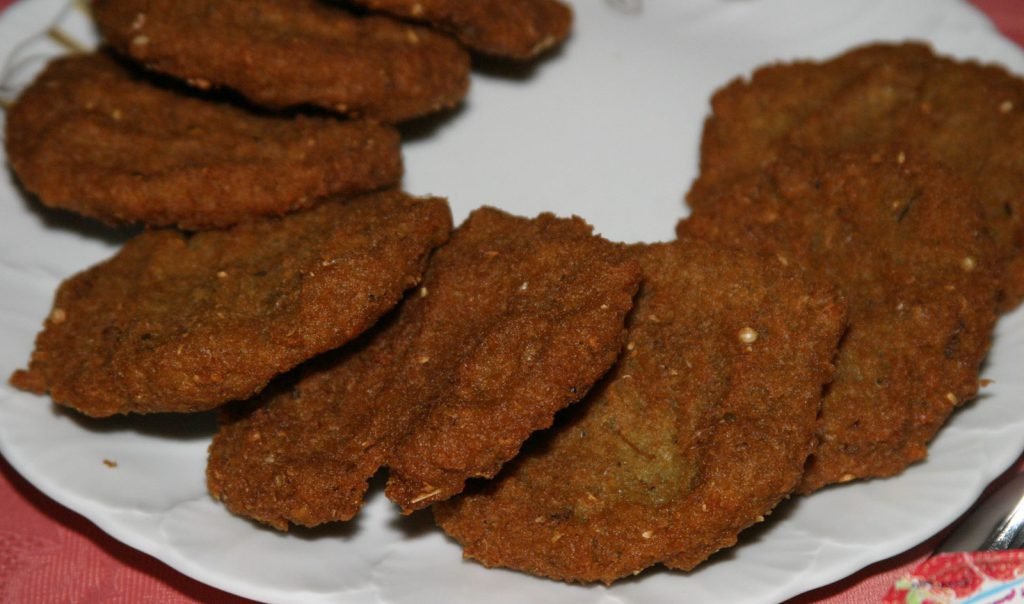
Ta'ameya: the Egyptian falafel
Most of the world knows falafel made from chickpeas. In Egypt it is called ta'ameya, and it is made from fava beans instead. The beans are ground with a generous handful of fresh herbs, such as parsley, coriander, dill and leek, which is why ta'ameya is bright green inside. It is fried to order, often rolled in sesame seeds, and comes out light and crisp.
Building the perfect Egyptian breakfast
- Baladi bread: the round, whole-wheat Egyptian flatbread that holds everything together.
- Ful, dressed the way you like it.
- Ta'ameya, straight from the oil.
- Pickles and salad: crunchy pickled vegetables, tomato and cucumber.
- A glass of sweet tea, to finish.
Amwaj tip: ful and ta'ameya are best in the morning, when everything is freshly made. Both are vegetarian, and a full breakfast costs very little. Ask your guide to stop at a local spot on the way to your first visit.
How to order an Egyptian breakfast like a local
A ful cart or a small ta'ameya shop is easy to spot in the morning: just look for the queue. Ordering is simple. Ask for a sandwich of ful or a sandwich of ta'ameya, and it comes tucked into a half loaf of baladi bread, ready to eat on the go. If you prefer to sit, many local restaurants serve ful medames in a small metal bowl, with bread, pickles and salad on the side, so you can build each bite yourself.
At the table, bread is the spoon. Egyptians tear off a small piece, fold it and scoop up the beans, and it is customary to eat with the right hand. Plates are often shared in the middle of the table, and it is polite to take from the part closest to you.
Friday mornings have a special feeling. It is the weekly day off, and many families gather for a long, slow breakfast at home, with ful, ta'ameya, eggs, cheese and fresh bread. If you cannot get to a street stall, most hotels and Nile cruises also put ful and ta'ameya on their breakfast buffet, which is a gentle way to try them.
For more ideas on regional food and markets, Egypt's official tourism site is a good place to start planning.
Top photo: Miansari66, CC0, via Wikimedia Commons.